Described as 'simply oozing with nostalgia', this simple cottage, known as 'Janefield', was erected around 1852 for farmer David Oughton (1832-1869). It is thought to be the oldest extant house on the Taieri Plains still in use as a dwelling. Oughton was one of the three first farmers to take up land on the Taieri Plains soon after the colony of Otago was established. He arrived in Otago from Cullen, Banff, and named his cottage after his first wife Jane Todd (1836-1860), who died after the birth of her second child. Oughton subsequently returned to Scotland, remarried and then returned to Otago around 1864, building a new home 'Boghead' (now known as Duddingston and also registered by the New Zealand Historic Places Trust Pouhere Taonga) at East Taieri.
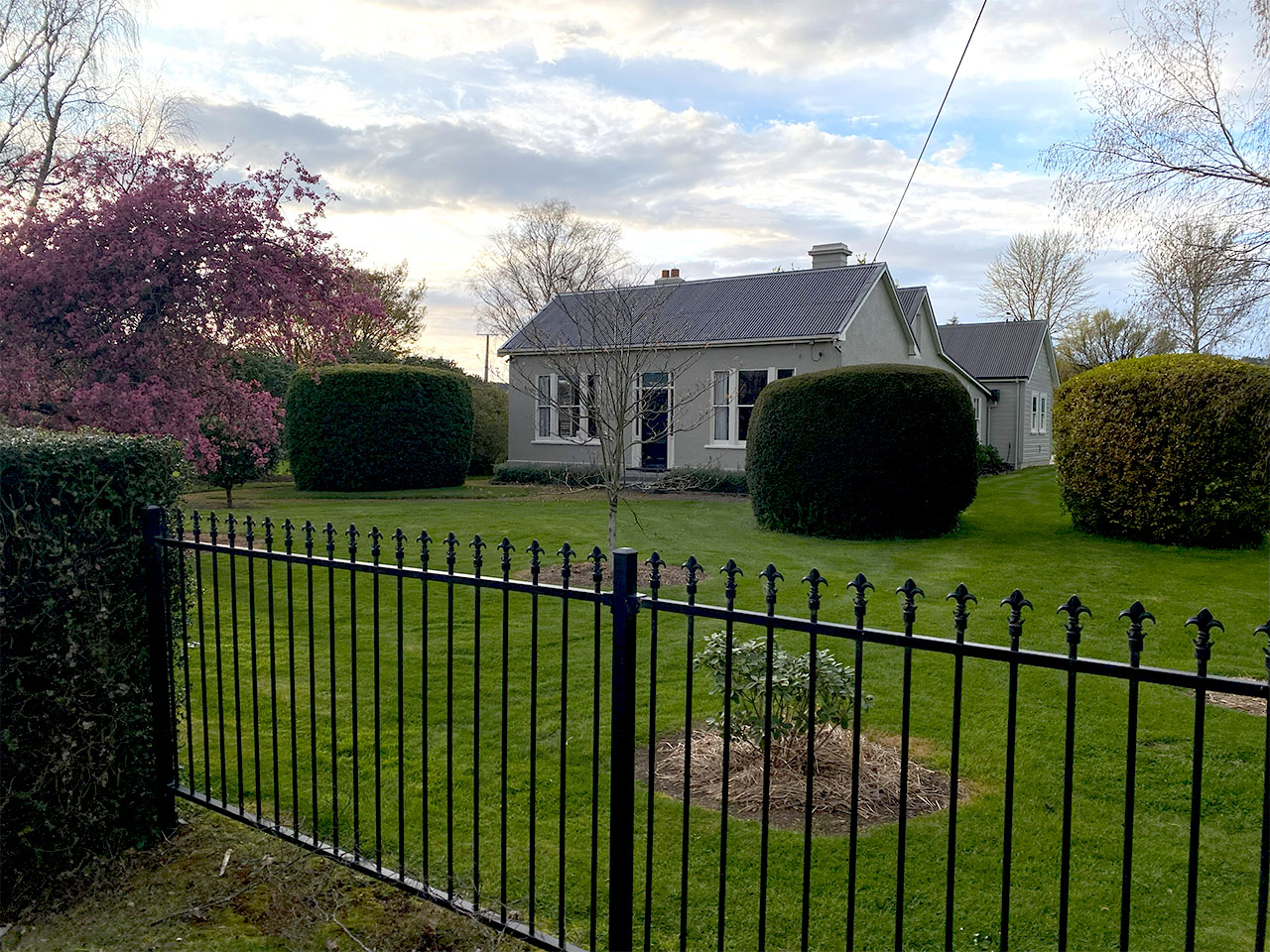
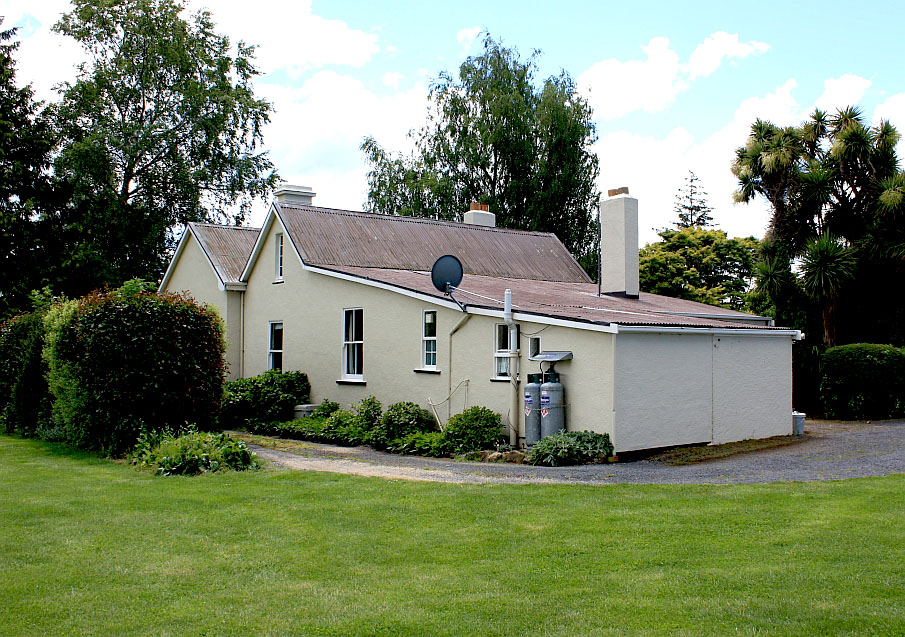
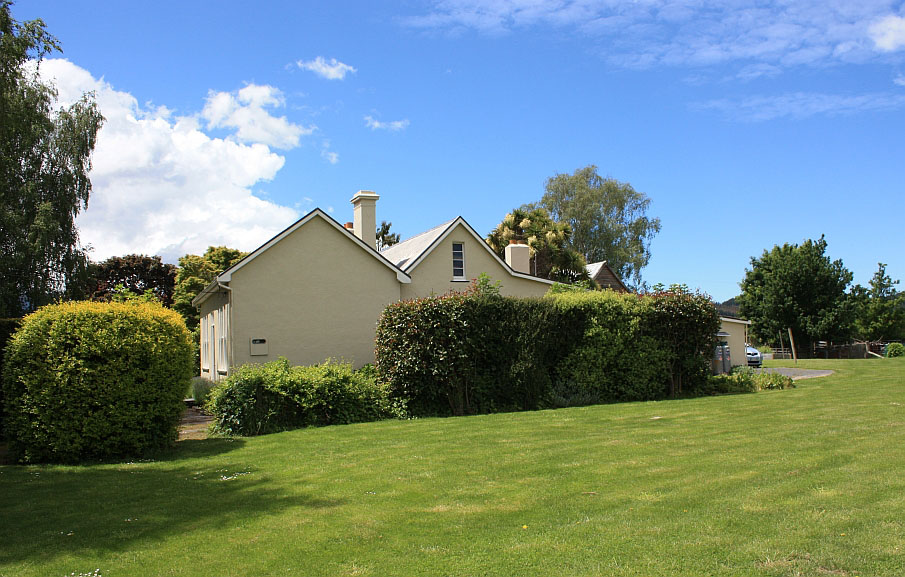
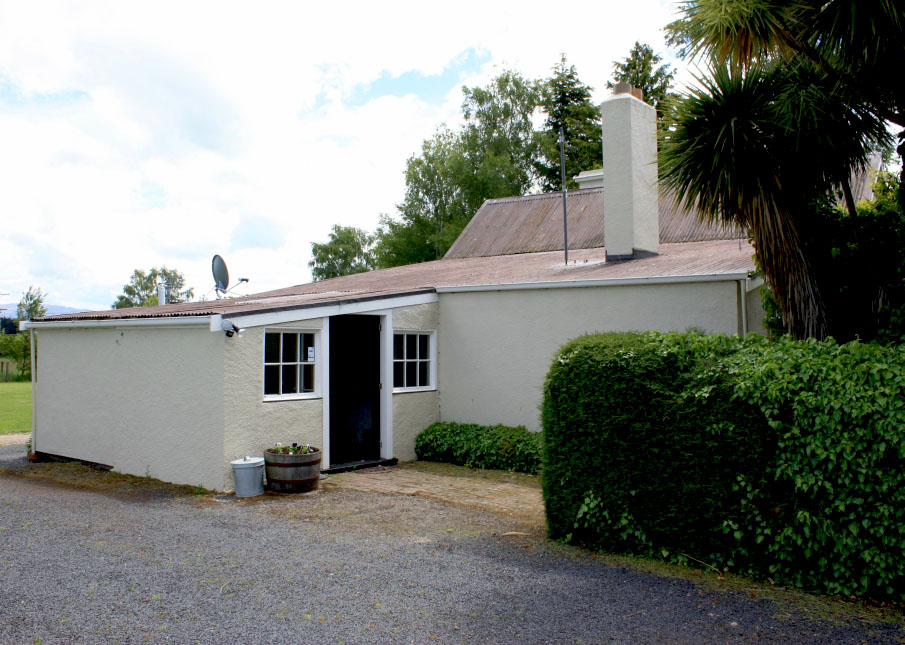
Janefield consists of two gables with a lean-to at the rear. It is thought that the back gable (now the middle section of the cottage) and lean-to were built first with the front gable added at a later stage, although this is a matter of some debate. The front façade is symmetrical in arrangement with two sash windows flanking a central door. On the ground floor there was a parlour at the front, four bedrooms and a dining/living room connected to a scullery. Two small attic bedrooms are tucked in the roof of the second gable. The cottage was constructed of timber which was roughcast at a later stage, presumably to protect the timber. The foundations are wood, brick and concrete and the roof is corrugated iron.
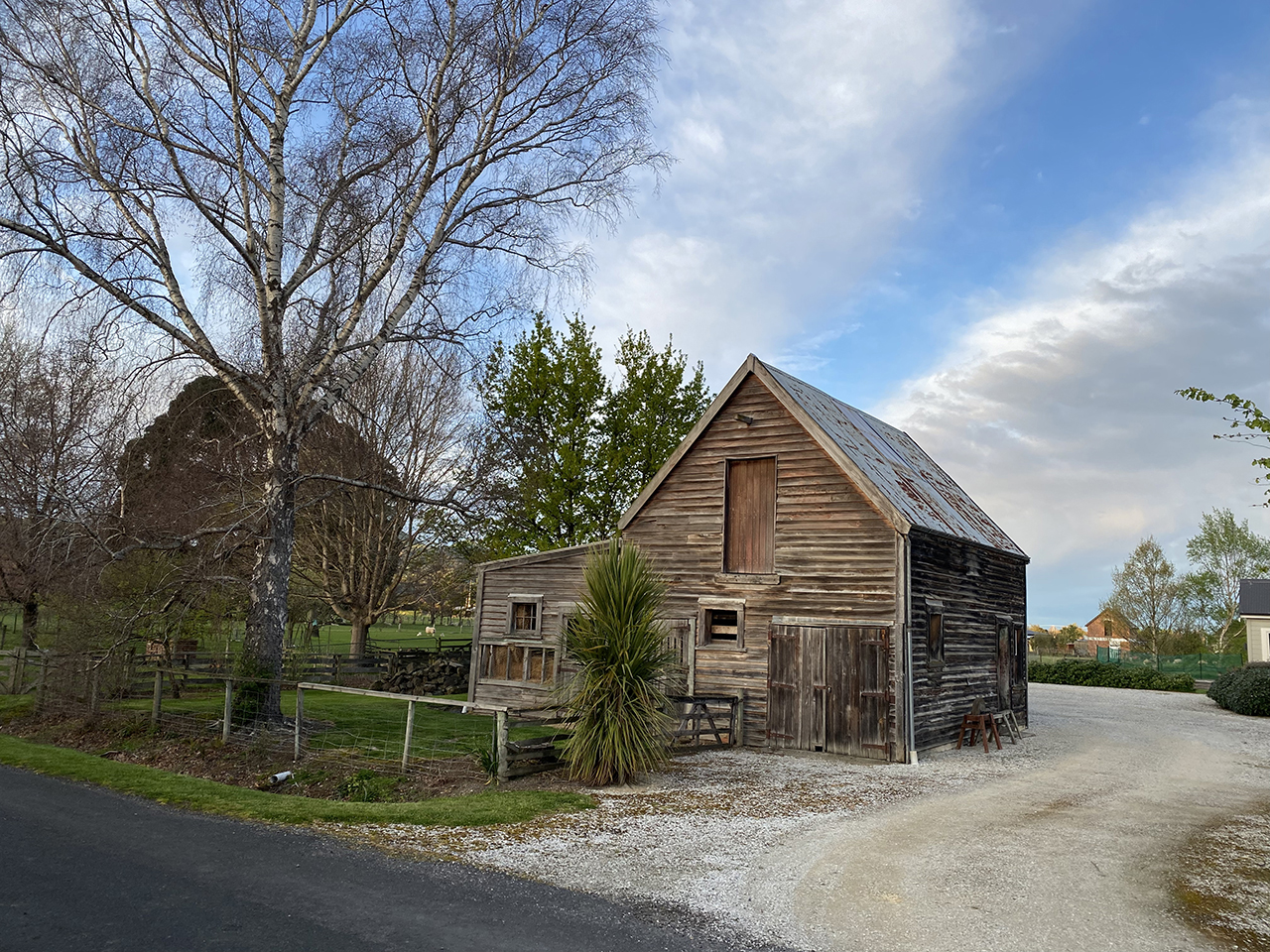
Oughton's eldest son, James (?-1902), took over Janefield when the family returned to Otago and continued to farm there until 1899 when he offered the farm to the government under the 1892 Land for Settlement Act. At the time the cottage sat on a property of 147 acres (59.5 hectares) with 'plantations and fruit trees' and consisted of eight rooms, with a scullery and numerous outbuildings. The barn, also registered by the New Zealand Historic Places Trust Pouhere Taonga, is the only survivor of the outbuildings. The government accepted James' offer, purchasing Janefield for £4,888.34. It described the land as rich and level, and subdivided it into sections of between three to ten acres, which were offered to the public in September 1899. The 'Janefield Settlement' as the place became known provided smallholdings for predominantly working men, many of whom worked at the neighbouring Mosgiel Woollen Mill or on the railways. Although troubled by noxious weeds the land gradually became settled and by 1907 19 houses had been built and 89 people lived in the settlement. Oughton's former cottage was initially leased, but when the leasee defaulted in 1902 the house and surrounding ten acre section (around four hectares) was leased to the Department of Agriculture who used it to house the local stock inspectors. One of these, Hector McLeod, purchased the cottage in 1912. His descendants still own it.
Janefield has been only slightly modified over the years, with the living room being opened into one of the small bedrooms to create a large dining/living room and the front parlour being converted into a bedroom. Two Victorian wooden fireplaces said to be similar to the original ones were installed during the 1980s.
Janefield is significant as the earliest cottage still extant on the Taieri Plains and is associated with one of the first Pakeha to settle in the area. Its subsequent history is tied up with the Liberal Government's policy of land reform, which impacted on both large and small runs.
Janefield consists of two gables with a lean-to at the rear. It is thought that the back gable (now the middle section of the cottage) and lean-to were built first with the front gable added at a later stage, although this is a matter of some debate. The front façade is symmetrical in arrangement with two sash windows flanking a central door. On the ground floor there was a parlour at the front, four bedrooms and a dining/living room connected to a scullery. Two small attic bedrooms are tucked in the roof of the second gable. The cottage was constructed of timber which was roughcast at a later stage, presumably to protect the timber. The foundations are wood, brick and concrete and the roof is corrugated iron.
Oughton's eldest son, James (?-1902), took over Janefield when the family returned to Otago and continued to farm there until 1899 when he offered the farm to the government under the 1892 Land for Settlement Act. At the time the cottage sat on a property of 147 acres (59.5 hectares) with 'plantations and fruit trees' and consisted of eight rooms, with a scullery and numerous outbuildings. The barn, also registered by the New Zealand Historic Places Trust Pouhere Taonga, is the only survivor of the outbuildings. The government accepted James' offer, purchasing Janefield for £4,888.34. It described the land as rich and level, and subdivided it into sections of between three to ten acres, which were offered to the public in September 1899. The 'Janefield Settlement' as the place became known provided smallholdings for predominantly working men, many of whom worked at the neighbouring Mosgiel Woollen Mill or on the railways. Although troubled by noxious weeds the land gradually became settled and by 1907 19 houses had been built and 89 people lived in the settlement. Oughton's former cottage was initially leased, but when the leasee defaulted in 1902 the house and surrounding ten acre section (around four hectares) was leased to the Department of Agriculture who used it to house the local stock inspectors. One of these, Hector McLeod, purchased the cottage in 1912. His descendants still own it.
Janefield has been only slightly modified over the years, with the living room being opened into one of the small bedrooms to create a large dining/living room and the front parlour being converted into a bedroom. Two Victorian wooden fireplaces said to be similar to the original ones were installed during the 1980s.
Janefield is significant as the earliest cottage still extant on the Taieri Plains and is associated with one of the first Pakeha to settle in the area. Its subsequent history is tied up with the Liberal Government's policy of land reform, which impacted on both large and small runs.